For too long, humanity’s quest for energy has been a story of extraction and combustion. We have dug deep into the earth, burned ancient sunlight stored in fossil fuels, and built colossal infrastructure that often scars the landscape. Even the shift to modern renewables, while vital, still relies on manufactured devices—solar panels and wind turbines—that are subject to material constraints, weather intermittency, and significant land use. But what if the next great leap in energy production was not about a new machine, but about a profound partnership with the oldest, most abundant life on Earth: plants?
Imagine a world where the very act of life—the silent, tireless process of photosynthesis—is not just about oxygen and sustenance, but about power. Not the raw, explosive power of a coal plant, nor the intermittent, sky-dependent energy of a solar farm, but a living, breathing, continuous current drawn from the soil itself. This is the radical, yet elegantly simple, promise of Plant-Microbial Fuel Cell (Plant-MFC) technology, and it is the quiet revolution Pisphere is championing.
Pisphere, a pioneering startup, is commercializing a technology that taps into the invisible energy exchange happening in the rhizosphere—the bustling, microscopic world around a plant’s roots. This is a paradigm shift that moves us from an extractive energy model to a regenerative, symbiotic one. We are not consuming the plant; we are partnering with it. We are not fighting nature; we are harnessing its most fundamental process.
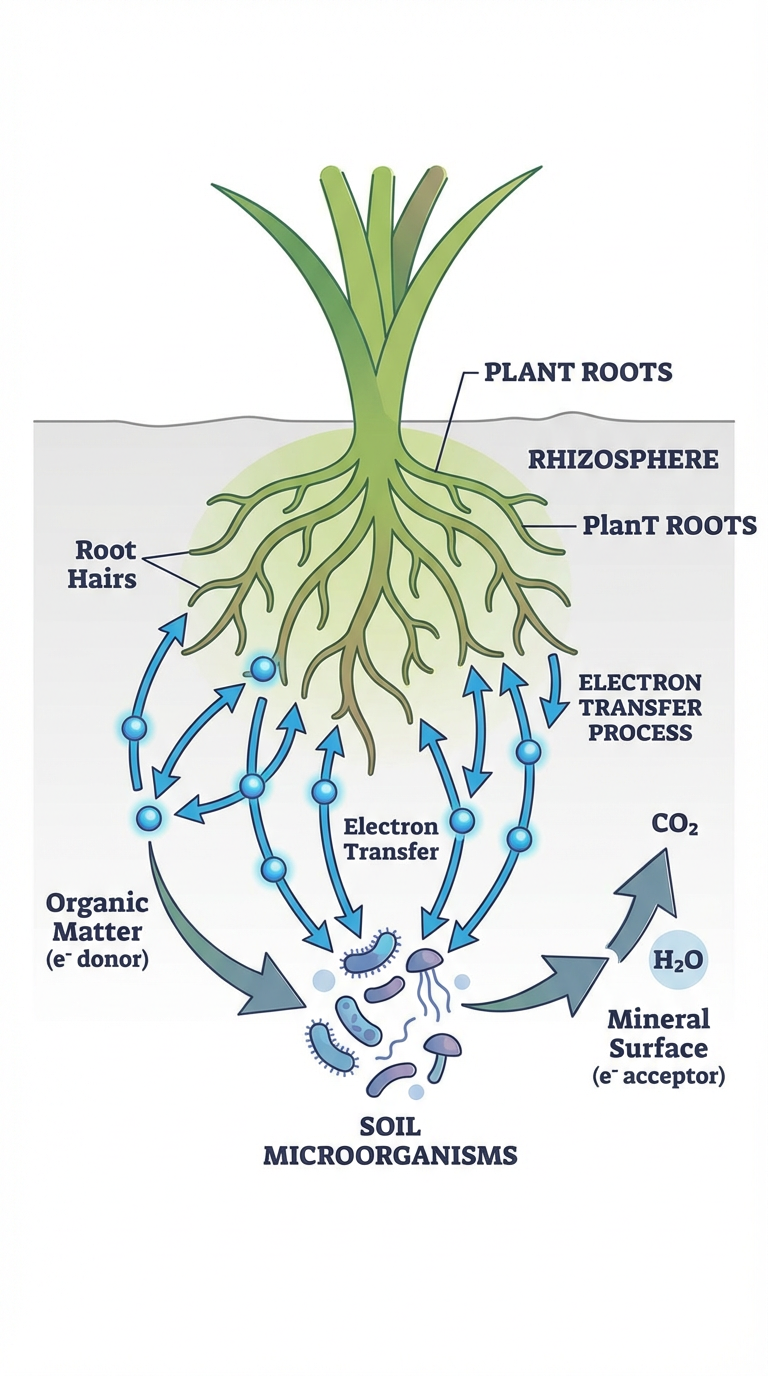
The core concept is a marvel of bio-engineering. As a plant performs photosynthesis, it converts solar energy into chemical energy. Crucially, up to 40% of this energy is not used by the plant itself but is exuded into the soil as organic compounds—sugars, acids, and alcohols. This is the plant’s way of feeding the vast, symbiotic community of microorganisms around its roots. These microbes, in turn, break down these organic exudates. In this metabolic process, they release electrons. The Plant-MFC is simply a device designed to capture these free electrons before they combine with other elements, channeling them into a continuous, low-voltage electrical current. It is, in essence, a biological battery that is perpetually recharged by the sun and the plant’s life cycle, offering a truly sustainable, 24/7 energy source.
The Science of Symbiosis: Tapping the Root Exudate
To truly grasp the magnitude of this innovation, we must delve into the intricate mechanics of the Plant-MFC system. It is a sophisticated modification of a traditional Microbial Fuel Cell (MFC), tailored to work in harmony with living flora. The system is comprised of three critical, interconnected components: the plant, the exoelectrogenic microbes, and the specialized electrodes.
The Plant is the system’s engine, the solar energy converter. While the technology can be adapted to various species, the most efficient systems often utilize plants that thrive in water-saturated environments, such as certain grasses or aquatic plants. The plant’s roots are the conduits of energy, constantly releasing the organic fuel that powers the microbial engine. This process is entirely natural and does not harm the plant; in fact, the microbial activity can sometimes enhance nutrient uptake, creating a mutually beneficial relationship.
The Microbes are the power generators. These are specific strains of bacteria, known as exoelectrogens, that possess the unique ability to transfer electrons outside their cell membranes. In the anaerobic environment engineered around the anode—an environment devoid of oxygen—these bacteria cannot use oxygen as their final electron acceptor, as most organisms do. Instead, they are forced to “breathe” by transferring their electrons directly onto a solid surface: the anode. This is the critical step where chemical energy is converted into electrical energy.
The Electrodes are the collectors and conductors. The system is a modified fuel cell with two electrodes:
- The Anode: Buried deep within the root zone, it is typically made of a highly conductive, porous, and carbon-based material (like carbon felt or graphite) to maximize the surface area for microbial colonization. This is where the exoelectrogens deposit their electrons.
- The Cathode: Placed near the surface or in a separate chamber, it is where the circuit is completed. The electrons, having traveled through an external circuit to power a device, are consumed at the cathode, typically by reacting with oxygen and protons to form water.
This closed-loop system is fundamentally different from traditional biomass energy. We are not burning the plant (biofuel), nor are we using its entire mass (anaerobic digestion). We are simply tapping into the waste product of its natural, ongoing life process. This is the key to its sustainability and its potential for continuous, long-term power generation.
Historically, the primary hurdle for Plant-MFC has been power density. Early systems produced only minute amounts of power, relegating the technology to a laboratory curiosity. However, Pisphere and other innovators are rapidly advancing the field through material science and bio-engineering. By optimizing electrode materials for better conductivity and surface area, and by carefully selecting and cultivating the most efficient exoelectrogenic bacteria strains, the technology is moving from milliwatts to a viable, scalable energy solution capable of powering low-voltage devices reliably.
Pisphere’s Commercialization Strategy: From Education to Infrastructure
Pisphere’s journey from a research concept to a commercial entity is a testament to the power of necessity and vision. The company’s genesis, sparked by a power outage that destroyed a crop at Seoul National University, highlighted the critical need for resilient, decentralized power in agricultural and urban settings. This led CEO Kang Byeong Ju to the conviction that Plant-MFC technology, pioneered in places like the Netherlands, could be the answer.
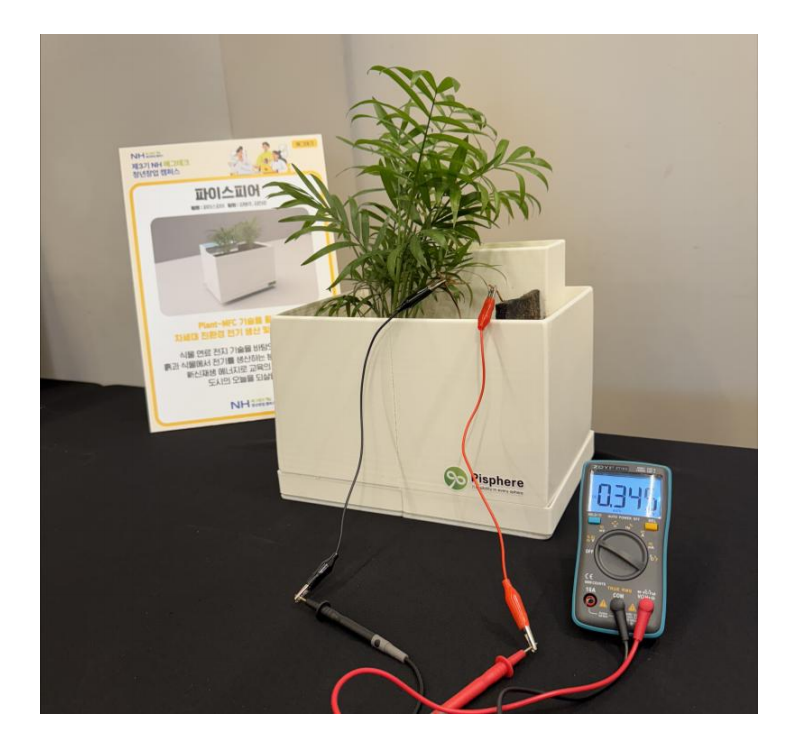
Pisphere’s strategy is a masterclass in phased commercialization, starting with a product that educates and validates the core technology: the educational kit. This integrated, STEAM-aligned tool is more than a toy; it is a hands-on, tangible demonstration of the energy revolution. It introduces students to life sciences (photosynthesis), electrical science (power generation), and energy science (renewable sources), cultivating a new generation of eco-conscious innovators. This initial market not only generates stable revenue but also creates a powerful, positive social narrative around the technology.
But the educational kit is merely the seed. Pisphere’s true ambition lies in its scalability and its compelling competitive advantages over conventional renewables.
The most significant advantage is spatial efficiency. Because the Plant-MFC unit is fundamentally buried in the soil, it occupies almost no above-ground space. This eliminates the land-use conflict that plagues large-scale solar and wind farms. In fact, Pisphere’s system enables a revolutionary concept: the dual-harvest system. Solar panels can be installed directly above the Plant-MFC units, creating a layered energy solution that maximizes power generation from a single plot of land. This makes it an ideal solution for activating idle green spaces in dense urban environments, such as parks, green roofs, and vertical gardens.
The comparison with other energy sources is compelling:
| Feature | Plant-MFC Technology | Solar PV | Wind Turbines |
|---|---|---|---|
| Energy Source | Plant root exudates (biological) | Sunlight (physical) | Wind (physical) |
| Operation Time | 24/7 (as long as the plant is alive) | Daytime only (intermittent) | Windy periods only (intermittent) |
| Space Utilization | High (buried underground, dual-harvest capable) | Low (requires large, dedicated surface area) | Low (requires large, unobstructed area) |
| Environmental Impact | Regenerative, carbon-positive potential | Manufacturing/disposal concerns | Visual and noise pollution, bird strikes |
| Decentralization | Highly modular, ideal for urban integration | Modular, but requires clear sky access | Requires specific wind corridors |
The technology’s inherent sustainability is another key differentiator. The devices are primarily made from carbon materials and are buried, resulting in a minimal environmental footprint and a soil contamination risk of less than 1%. This positions Plant-MFC as a truly green technology, one that works with the ecosystem rather than imposing upon it.
The Path to Powering the Future: Smart Cities and Global Access
Pisphere’s mid- to long-term goal is to evolve into a global energy solutions provider, focusing on the development of low-power infrastructure. The immediate target is to power facilities that require a consistent, low-voltage supply: streetlights, Wi-Fi hotspots, IoT sensors, and surveillance cameras in public parks and green corridors.
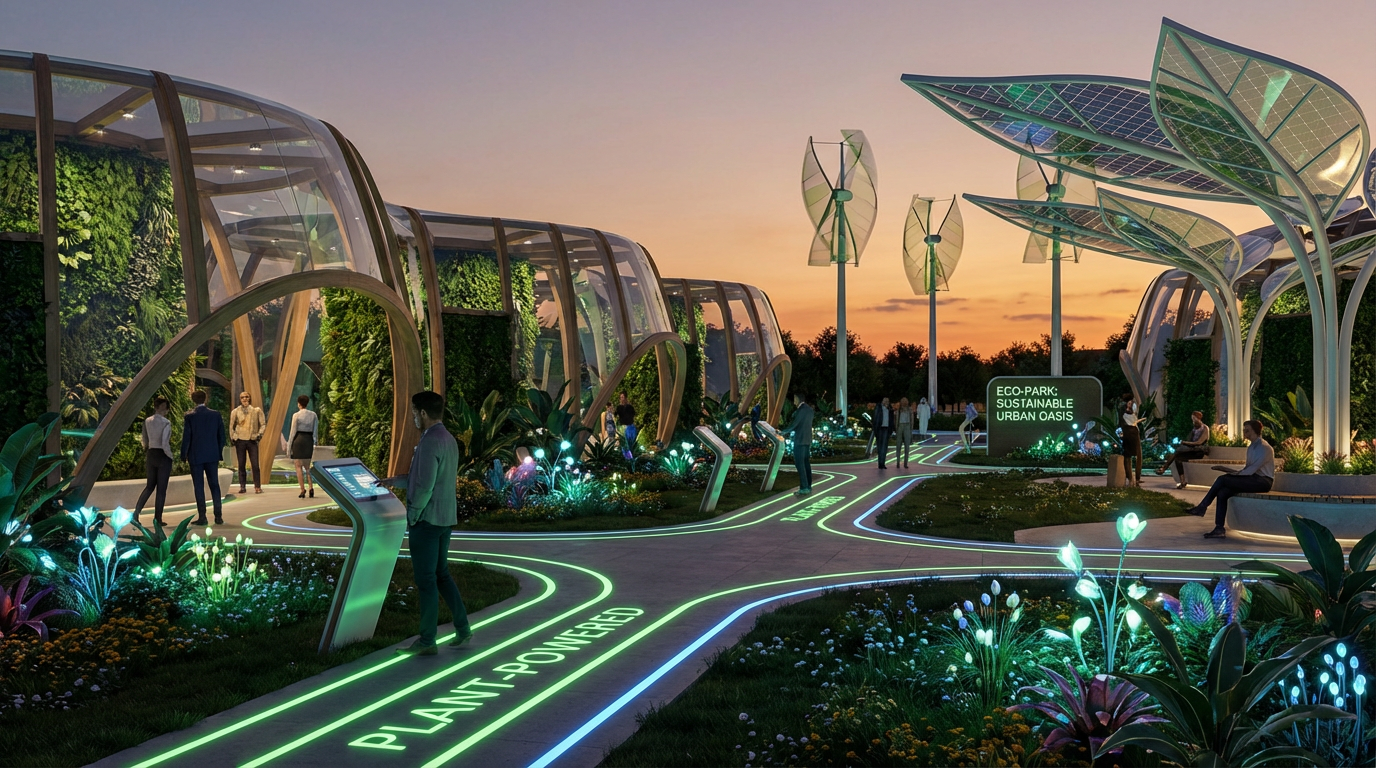
This is where the technology moves from a niche solution to a critical component of the Smart City concept. A truly smart city is not just connected; it is self-sustaining and resilient. Plant-MFCs offer a decentralized, robust power source that can be integrated seamlessly into the urban landscape. Every tree planted, every green roof installed, and every public park becomes a miniature, self-sustaining power station. This eliminates the need for complex, expensive trenching and wiring for low-power applications, drastically reducing infrastructure costs and increasing the resilience of the grid against localized failures.

The integration of IoT sensors is a crucial part of Pisphere’s roadmap. Their infrastructure solutions will not only power the sensors but also utilize them to create a continuous feedback loop for system optimization. Data on power output, soil conditions, and microbial activity will be collected and analyzed, allowing Pisphere to refine the design, improve the power output, and ultimately, make Plant-MFC a competitive force in the global energy market. This data-driven approach is key to overcoming the historical challenge of low power density.

Beyond the urban core, the technology has profound humanitarian potential. Pisphere plans to expand into regions like Southeast Asia and Africa, where a lack of even a single watt of electricity can severely hinder daily life and economic development. Imagine a remote village where a small array of Plant-MFCs can power a water purification pump, a community charging station for mobile phones, or a single streetlight to improve safety and extend the productive day. This is energy access that is not dependent on a fragile, centralized grid, but on the local ecosystem, offering a pathway to energy equity.
The technical roadmap for scaling involves continuous focus on three pillars:
- Electrode Optimization: Developing cheaper, more durable, and more conductive electrode materials to maximize electron capture efficiency.
- Microbial Cultivation: Identifying and cultivating the most efficient exoelectrogenic bacteria strains that thrive on the most common root exudates.
- System Design: Creating modular, easy-to-install units that can be deployed rapidly and connected in arrays to meet higher power demands.
The Living Grid: A New Energy Paradigm
The true revolution of Plant-MFC technology is not just in the electrons it generates, but in the paradigm shift it represents for our relationship with the environment. It moves us away from the extractive, destructive model of energy production and toward a regenerative, symbiotic one.
The Plant-MFC is a testament to the power of biomimicry—learning from and working with nature’s processes. It is a technology that is inherently carbon-neutral, and potentially carbon-positive. By encouraging the growth of plants and the sequestration of carbon in the soil, the system actively contributes to climate mitigation. It is a system that improves the quality of the environment it occupies, rather than degrading it. This is a critical distinction in the age of climate crisis: energy production that is not merely less bad, but actively good for the planet.
Pisphere is championing a future where energy infrastructure is not a blight on the landscape but an integral, beautiful part of it. A future where the simple act of planting a tree is also an act of generating clean, continuous power. This vision culminates in the concept of the Living Grid—a decentralized, resilient network of bio-powered nodes woven into the fabric of our cities and landscapes.
The long-term impact of this technology extends far beyond simple power generation. It is about creating a circular economy for energy. The system requires no external fuel source other than sunlight and water, and its byproducts are harmless. It offers a path to energy independence for communities and nations, reducing reliance on volatile global energy markets.
The journey from a lab-bench curiosity to a global energy solution is long, but the foundation is solid. With its focus on education, urban integration, and global expansion into underserved communities, Pisphere is positioning itself not just as a technology company, but as a catalyst for a more sustainable, equitable, and living energy future.
The next energy revolution will not be loud and smoky; it will be quiet, green, and rooted deep beneath our feet. It is a revolution powered by the very life force of the planet, and it is happening now.